Holistic Efficiency Strategy
A holistic efficiency strategy takes a bird’s-eye view of managing your yard, warehouse, and production sites. Instead of micromanaging functional areas or business processes, you view your site as an interconnected ecosystem in which every area and process depends on the others.
Instead of focusing on isolated efficiency activities, the holistic efficiency strategy ensures that every component works in harmony to maximize value, reduce waste, and improve sustainability across all operations.
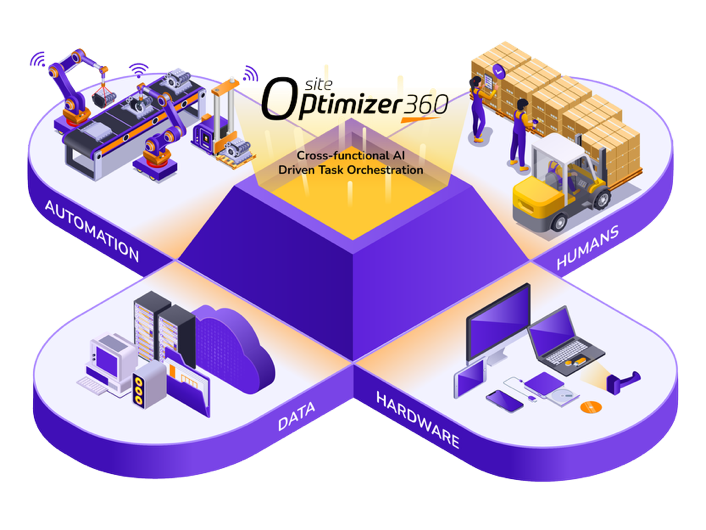
Key Components of a Holistic Efficiency Strategy
- Integrated systems for better decision-making.
- Cross-functional collaboration is one cohesive unit with a joint goal.
- Treat employees as key assets; this will improve productivity.
- Data-driven decisions go from manual to a system-run environment.
- Customer-centric value approach to meet customer needs.
Benefits
Improved Operational Efficiency. By eliminating silos and adopting a cross-functional, system-run ecosystem, operational efficiency will significantly reduce costs and create a safer, more sustainable platform.
Increased ROI. A study (McKinsey) found that companies with integrated models delivered three times the shareholder return (TSR) compared with their peers.
Sustainable Long-Term Success. By focusing on integrated operations, you promote long-term, sustainable, and resilient success rather than short-term profits.